
How AI Search Engines Like ChatGPT and Perplexity Are Changing SEO
Search is changing.
For years, businesses focused on getting their websites onto the first page of Google. SEO strategies revolved around keywords, backlinks, technical optimization, and ranking position.
Now, people are increasingly asking AI tools such as ChatGPT and Perplexity to research products, compare services, explain problems, and recommend businesses.
Instead of asking:
“Best accounting firms for startups”
a user might ask:
“Which accounting firm should a Bangalore startup choose for GST, tax compliance, and fundraising support?”
The AI may provide a summarized answer and recommend a few options without the user ever clicking through ten search results.
This creates a major shift in SEO: being ranked is no longer the only goal. Being mentioned, cited, and trusted by AI systems is becoming increasingly important.
What Is AI Search?
AI search combines traditional search technology with generative AI.
Instead of simply returning a list of web pages, AI search engines can:
- Understand the intent behind a question
- Search and retrieve information
- Compare multiple sources
- Summarize complex topics
- Provide direct answers
- Cite or link to supporting sources
- Continue the conversation with follow-up questions
ChatGPT and Perplexity are examples of platforms changing how users discover information.
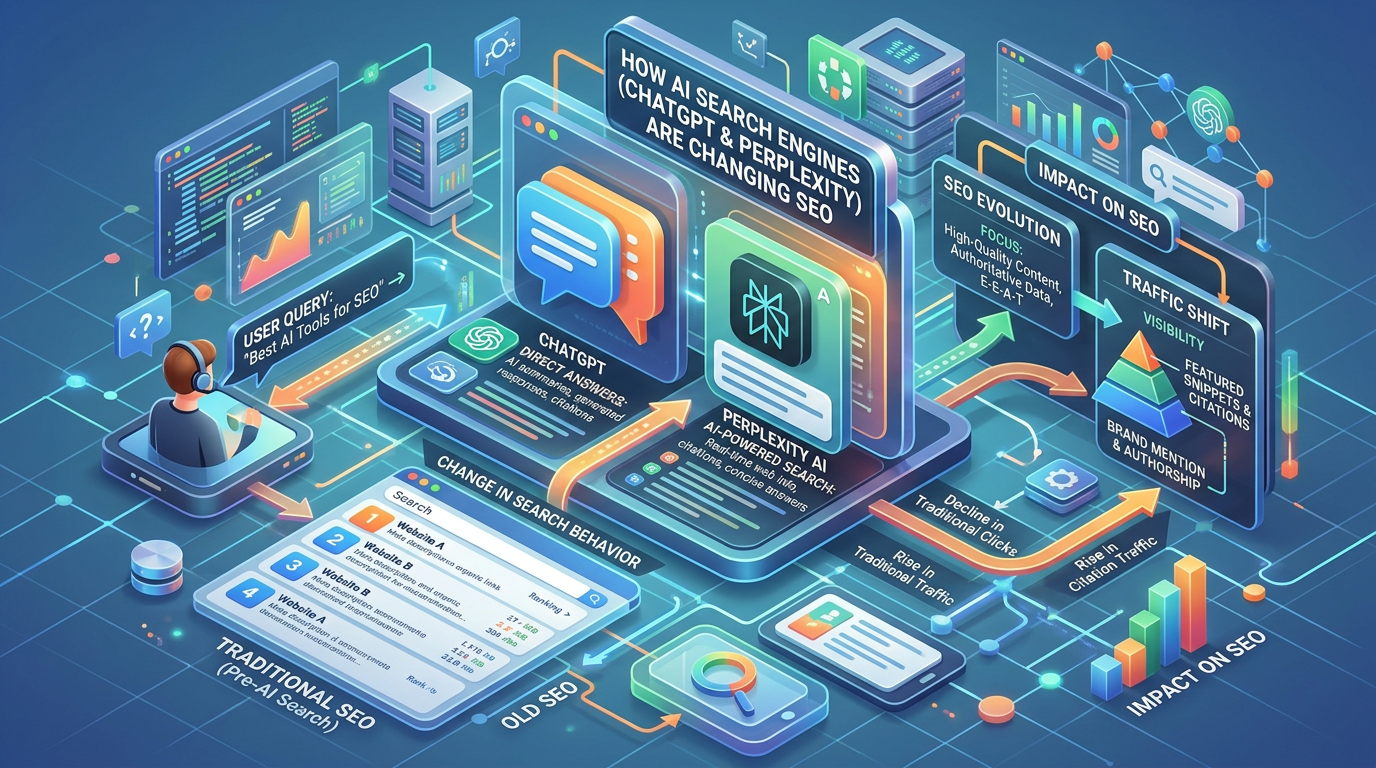
Traditional search often works like:
Query → Search results → Website → Answer
AI-assisted search increasingly looks like:
Question → AI research → Synthesized answer → Sources/recommendations
That difference matters enormously for SEO.
Traditional SEO vs AI Search Optimization
Traditional SEO generally focuses on improving a page’s ability to rank for specific searches.
AI search introduces another objective: making your content easy for AI systems to understand, trust, retrieve, and potentially cite.
| Traditional SEO | AI Search |
|---|---|
| Keyword rankings | Answer visibility |
| Search results | AI-generated responses |
| Keyword targeting | Search intent and context |
| Backlinks | Authority and trustworthy references |
| Click-through rate | Mentions, citations and influence |
| Individual keywords | Topics and entities |
| Website traffic | Brand discovery and qualified visibility |
This doesn’t mean traditional SEO is disappearing.
Instead, SEO is expanding from ranking optimization to search visibility optimization.
Why Keywords Alone Are No Longer Enough
Keywords remain useful, but AI systems are much better at understanding natural language and context.
A traditional SEO strategy might target:
“GST registration Bangalore”
But a potential customer may ask:
“I have started a SaaS company in Bangalore. Do I need GST registration, and what happens if I register late?”
The second query contains considerably more context.
AI systems can understand relationships between:
- GST registration
- SaaS businesses
- turnover
- interstate supplies
- compliance
- registration timelines
- penalties and consequences
Therefore, content that comprehensively answers the underlying topic can be more valuable than a page repeating the same keyword dozens of times.
Focus on Search Intent
Instead of asking:
“What keyword should I insert?”
start asking:
“What question is the user actually trying to solve?”
For example, someone searching for:
“AI automation for small business”
may actually want to know:
- Which processes can be automated?
- How much does automation cost?
- Which AI tools should I use?
- Can I automate customer support?
- Can AI manage emails and appointments?
- What should I automate first?
- Is AI automation worth it for a small business?
A strong page addresses these related questions naturally.
AI Search Rewards Comprehensive Topic Coverage
AI-generated answers often require information from multiple parts of a topic.
This makes topical authority increasingly important.
Instead of publishing one article called:
“AI Automation for Businesses”
a stronger content ecosystem could include:
- What Is AI Automation?
- Best AI Automation Ideas for Small Businesses
- How to Automate Customer Support
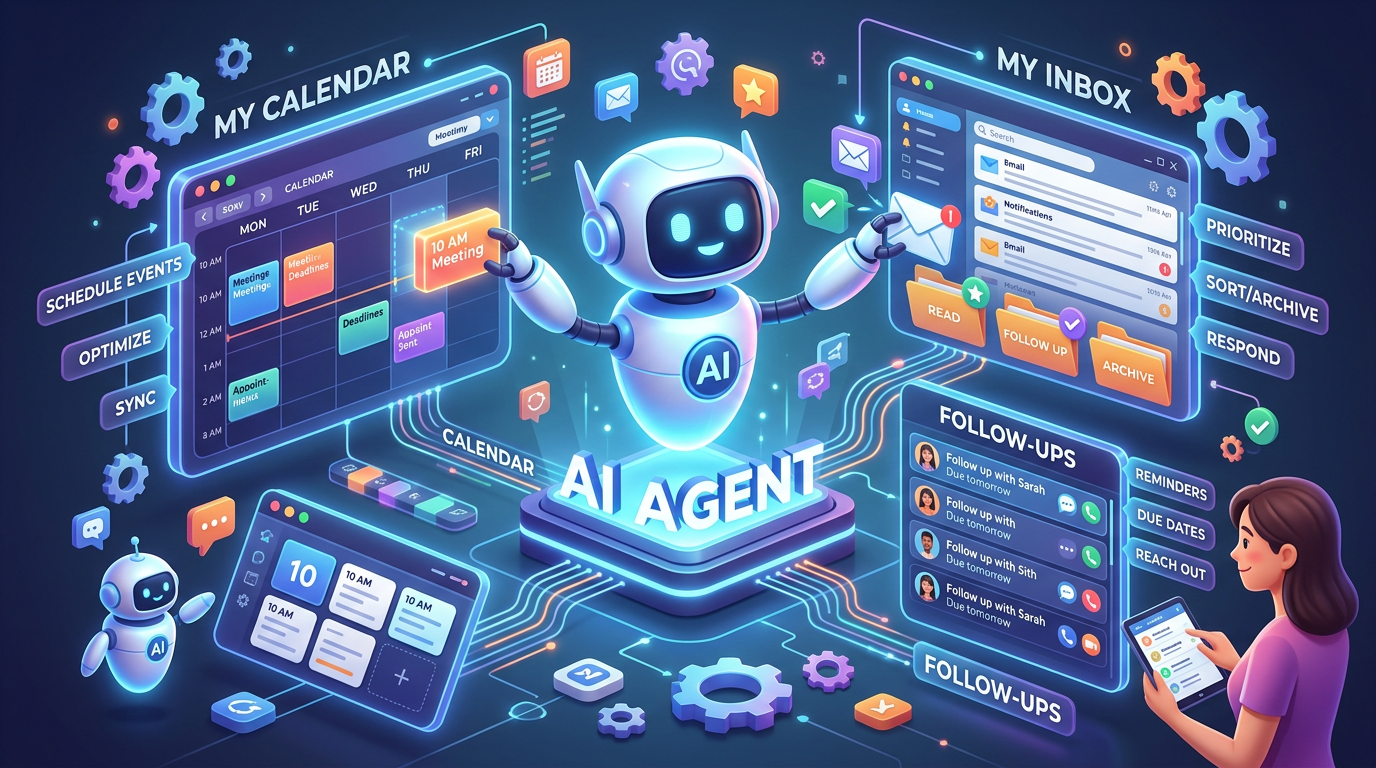
- How AI Agents Manage Emails
- AI Automation for Sales Follow-Ups
- AI Workflow Automation Tools
- AI Automation Costs
- Common AI Automation Mistakes
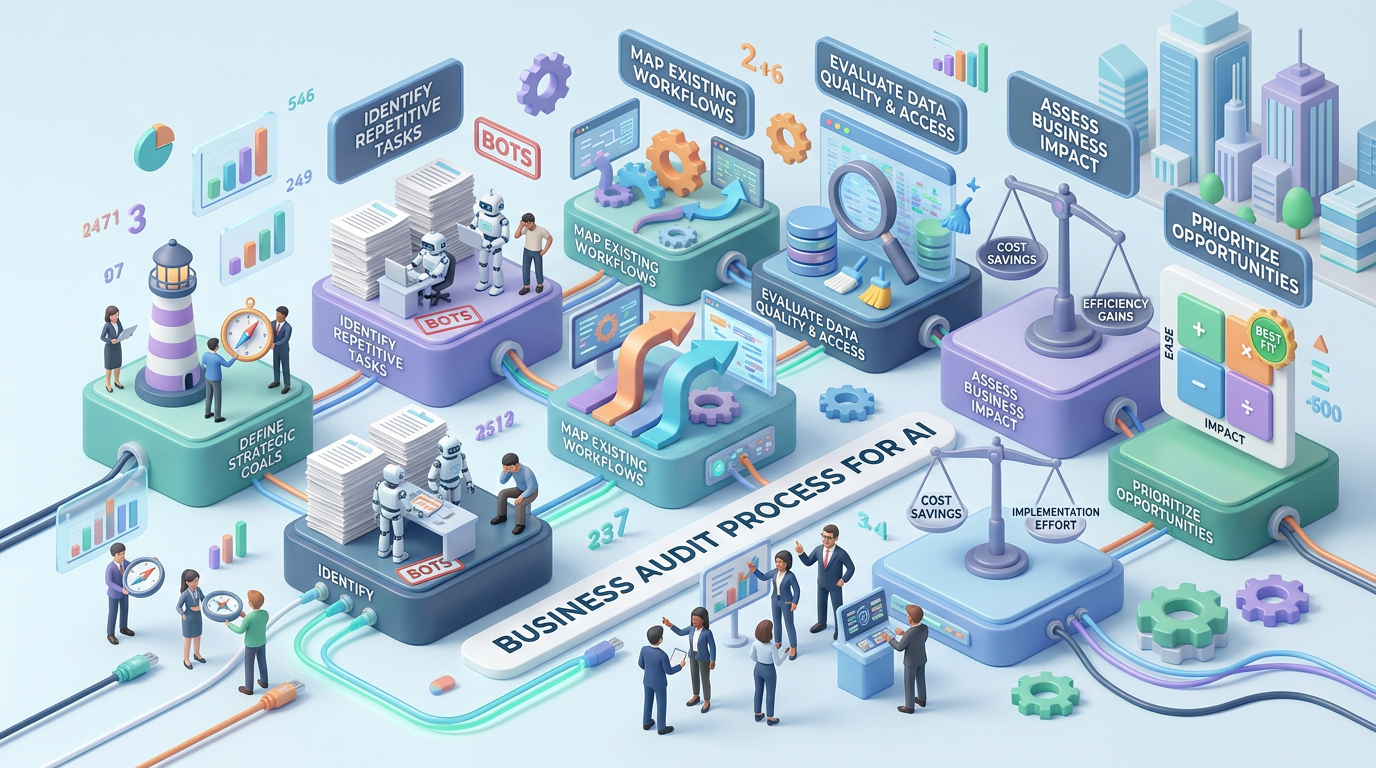
- How to Audit Your Business for AI Automation Opportunities
These pages can collectively establish expertise around the subject.
Build Topic Clusters
A topic cluster connects related content around a central subject.
For example:
Main Topic: AI Automation
Supporting Topics:
- AI agents
- Workflow automation
- Business process automation
- AI customer support
- AI sales automation
- AI productivity
- AI email automation
- AI scheduling
- AI automation tools
This gives both search engines and users a clearer understanding of your expertise.
Entity SEO Is Becoming More Important
AI systems don’t only understand individual keywords. They also understand entities and relationships.
An entity can be:
- A person
- Company
- Product
- Organization
- Location
- Technology
- Industry
- Concept
For example, an article about AI automation might naturally mention:
ChatGPT → OpenAI → AI agents → automation → business workflows → CRM → customer support
These relationships help create context around your content.
Businesses should therefore make important information about their brand clear and consistent across their website and other authoritative online sources.
Trust and Authority Matter More
When an AI system generates an answer, it needs reliable information to work from.
This makes experience, expertise, authority, and trustworthiness particularly important.
For business websites, demonstrate expertise through:
- Author information
- Professional credentials
- Original research
- Case studies
- Real examples
- Data and statistics
- Transparent methodology
- Updated information
- References to authoritative sources
- Clear company information
Don’t simply write:
“We are experts in AI automation.”
Show why.
For example:
“We automated a five-step lead qualification workflow, reducing manual processing from several hours per week to under an hour.”
Specific evidence is more useful than generic claims.
Original Content Can Become a Competitive Advantage
AI can generate thousands of generic articles about almost any subject.
That creates a problem:
Generic AI-generated content is becoming easier to produce and harder to differentiate.
Businesses need content AI systems cannot easily find everywhere else.
Consider publishing:
- Original research
- Industry surveys
- Customer case studies
- Proprietary data
- Expert interviews
- First-hand experiences
- Detailed tutorials
- Unique frameworks
- Calculators and tools
- Original examples
For example, instead of writing another generic article about “AI productivity,” publish:
“We Tested 15 AI Productivity Workflows: What Actually Saved Time?”
That creates a more distinctive information asset.
Structured Content Helps AI Understand Your Pages
Clear organization is important for both humans and machines.
Use:
- Descriptive headings
- Short paragraphs
- Bullet points
- Tables
- FAQs
- Definitions
- Step-by-step explanations
- Specific examples
Avoid hiding important information inside unnecessarily complicated layouts.
A well-structured article makes it easier to identify:
Question → Explanation → Evidence → Example → Conclusion
FAQs Are More Valuable Than Ever
People ask AI search engines conversational questions.
Your content should anticipate those questions.
For example, an AI automation article could answer:
What is AI automation?
Which business processes can AI automate?
Is AI automation expensive?
Can small businesses use AI agents?
What is the difference between AI automation and traditional automation?
How do I identify automation opportunities in my business?
These questions can also reveal additional long-tail search opportunities.
Don’t Abandon Google SEO
One of the biggest mistakes businesses can make is assuming that AI search means traditional SEO no longer matters.
It doesn’t.
AI search systems can rely on information discovered through the broader web ecosystem. Strong technical SEO, crawlability, authoritative content, reputable links, and clear website architecture remain important.
Think of the new approach as:
SEO + Content Strategy + Entity Optimization + Brand Authority + AI Visibility
rather than replacing SEO entirely.
Brand Visibility Is Becoming a New SEO Metric
Imagine two companies.
Company A ranks well for several keywords but is rarely mentioned elsewhere.
Company B has strong content, expert authors, reviews, industry references, publications, and a recognizable brand.
When someone asks an AI:
“Who are the best companies for X?”
Company B may have a stronger chance of being considered because its online presence provides more signals about its expertise and reputation.
This means businesses should increasingly monitor:
- Brand mentions
- AI recommendations
- Citations
- Search visibility
- Branded searches
- Third-party references
- Reviews
- Industry authority
The question is moving from:
“Where do we rank?”
to:
“Are we part of the answer?”
How to Optimize Your Website for AI Search
1. Create genuinely useful content
Write for the user’s problem rather than for keyword density.
2. Answer questions directly
Don’t make readers navigate through five paragraphs before finding a simple answer.
3. Demonstrate expertise
Include authorship, credentials, experience, data, examples, and evidence.
4. Build topical authority
Create interconnected content covering the important aspects of your industry.
5. Strengthen your brand entity
Keep your company name, services, expertise, location, and other important information consistent across reputable platforms.
6. Publish original information
Research, case studies, statistics, experiments, and first-hand insights can differentiate your content.
7. Keep content updated
AI systems and search engines need current information, particularly for rapidly changing industries such as technology, finance, regulations, and AI.
8. Improve technical SEO
Make sure your website is:
- Crawlable
- Indexable
- Mobile-friendly
- Fast
- Secure
- Properly structured
- Internally linked
The Future of SEO Is About Being the Best Answer
SEO is evolving from a simple ranking competition into an information and authority competition.
The businesses that succeed will not necessarily be the ones producing the most content.
They will be the ones creating the most useful, credible, distinctive, and well-structured information around the questions their customers actually ask.
Google rankings will continue to matter.
But AI platforms are adding another layer:
Can an AI system understand your expertise?
Can it identify your brand?
Can it trust your information?
Can it find evidence supporting your claims?
And when someone asks a relevant question, does your business become part of the answer?
That is the emerging challenge of modern SEO.
The future isn’t simply about ranking #1.
It’s about becoming the source worth mentioning.
Leave a Reply