
5 Viral Marketing Campaigns We Can All Learn From
Viral marketing can make a brand famous almost overnight—but going viral is rarely just about luck. The most successful campaigns usually combine a strong idea with emotion, participation, personalization, timing, and content people genuinely want to share.
From Coca-Cola putting people’s names on bottles to Spotify turning listening data into a yearly social event, some campaigns have become marketing case studies for a reason.
Here are five viral marketing campaigns and the key lessons businesses can apply to their own digital marketing strategies.
What Makes a Marketing Campaign Go Viral?
Before looking at the examples, it helps to understand what successful viral campaigns have in common.
They often:
- Trigger a strong emotional reaction
- Give people a reason to participate
- Make content easy to share
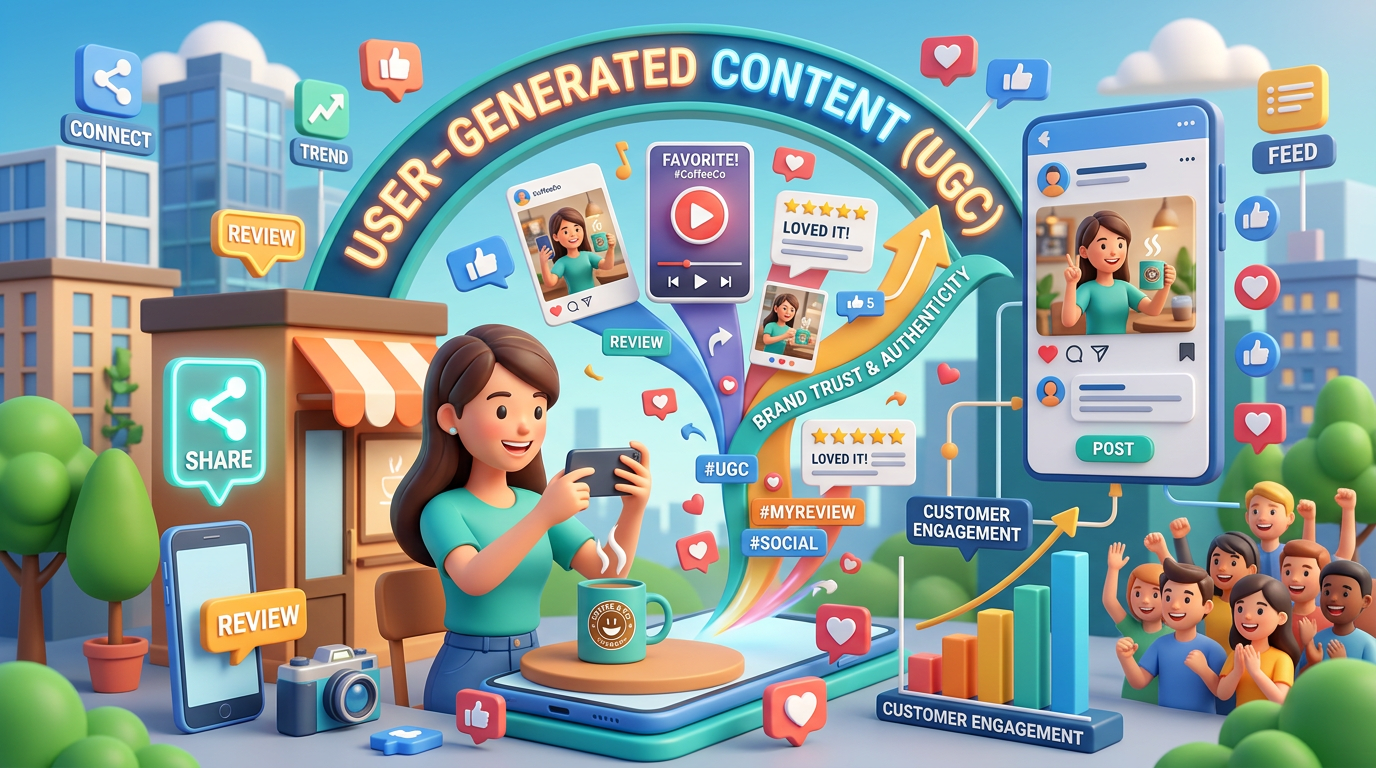
- Encourage user-generated content
- Create a sense of identity or belonging
- Connect with cultural conversations
- Give audiences something worth talking about
The goal isn’t simply to reach millions of people. It’s to create an idea that people naturally want to pass along.
1. Spotify Wrapped: Turn Data Into Something Personal
Spotify Wrapped is one of the clearest examples of personalization driving social sharing.
Every year, Spotify turns users’ listening behaviour into personalized stories, statistics, playlists, and insights. Instead of simply telling users what music they listened to, Spotify packages their data into something entertaining and highly shareable.
Spotify describes Wrapped as an interactive experience reflecting each user’s personalized music journey. The company has also expanded the campaign into real-world activations and experiences.
Why It Works
Spotify Wrapped succeeds because the content is about the user, not just the brand.
People share their results because they want to show:
- Their favourite artists
- Their music personality
- Their listening habits
- Their unexpected statistics
- Their identity and preferences
This creates thousands of pieces of organic social content for Spotify.
The Marketing Lesson
Make your customer the hero of your campaign.
Businesses can apply the same principle by creating personalized:
- Year-in-review reports
- Customer statistics
- Quizzes
- Progress dashboards
- Recommendations
- “Your results” experiences
Personalization can transform ordinary data into content people want to share.
2. Coca-Cola’s Share a Coke: Make the Product Personal
Coca-Cola’s Share a Coke campaign replaced the traditional Coca-Cola branding on bottles and cans with popular first names.
The original campaign launched in Australia in 2011. Coca-Cola says the Australian campaign sold more than 250 million named bottles and cans in a country of fewer than 23 million people before expanding internationally.
The campaign worked because it turned an ordinary product into something personal.
Why It Works
Seeing your own name on a product creates an immediate emotional connection.
But Coca-Cola took the idea further. The campaign encouraged people to find names belonging to friends, family members, partners, and other people they wanted to connect with.
That turned the product itself into a social prompt.
The campaign also encouraged customers to share photos and stories through social media, helping generate user-created content around the brand.
The Marketing Lesson
Personalization creates participation.
Instead of asking:
“How can we advertise our product?”
Ask:
“How can we make our audience part of the product experience?”
Personalized products, customer names, community stories, quizzes, polls, and customized content can all make marketing feel more relevant.
3. Dove Real Beauty: Lead With Emotion and Purpose
Dove’s Real Beauty campaign challenged conventional beauty advertising by focusing on real women rather than relying exclusively on traditional beauty stereotypes.
Dove launched its Real Beauty Pledge in 2004 and continues to build its marketing around authentic representation and self-esteem. In 2026, the brand reiterated its commitment to using real women rather than AI-generated or digitally distorted representations in its beauty communications.
Why It Works
The campaign addressed a broader cultural conversation instead of simply promoting a beauty product.
It connected with audiences through:
- Authenticity
- Self-esteem
- Representation
- Emotional storytelling
- Social conversations
This gave people a reason to discuss the campaign beyond the product itself.
The Marketing Lesson
People remember brands that stand for something meaningful.
However, purpose-driven marketing only works when the message feels authentic.
Brands should identify values that genuinely connect with their products, customers, and business practices.
A powerful campaign doesn’t always need to say:
“Buy our product.”
Sometimes it can say:
“Here’s what we believe.”
That can create a much stronger emotional connection.
4. ALS Ice Bucket Challenge: Make Participation Simple
The ALS Ice Bucket Challenge became one of the most recognizable viral campaigns in social media history.
In 2014, people filmed themselves dumping ice water over their heads, challenging others to participate and encouraging donations to ALS organizations.
According to The ALS Association, more than 17 million people participated and the campaign raised $115 million for ALS research and care.
Why It Works
The campaign had an extremely simple participation mechanism:
Do the challenge → Record it → Share it → Nominate others.
That structure created a powerful viral loop.
Every participant could potentially bring several new people into the campaign.
It also combined entertainment, social recognition, competition, participation, and a meaningful cause.
The Marketing Lesson
Make your campaign easy to participate in and easy to pass on.
If someone needs to read a long explanation before participating, you’ve already created friction.
Instead, design campaigns around simple actions such as:
- Tag a friend
- Take a quiz
- Share a photo
- Use a hashtag
- Vote in a poll
- Complete a challenge
- Create a response video
The easier the behaviour, the greater the potential for participation.
5. Old Spice: Turn Advertising Into a Conversation
Old Spice’s “The Man Your Man Could Smell Like” campaign became a major digital marketing success by combining humour, memorable creative, and rapid social interaction.
The campaign didn’t stop with a traditional advertisement. Old Spice created personalized video responses to people who interacted with the campaign online, turning social media conversations into additional content.
This approach helped the brand generate substantial attention and engagement across social platforms.
Why It Works
Old Spice understood an important principle of social media:
People don’t just want to watch brands. They want brands to respond to them.
Instead of treating social media as a broadcasting channel, the campaign used it as a two-way communication platform.
That made the audience feel involved in the campaign itself.
The Marketing Lesson
Don’t just publish content. Build conversations around it.
Brands can use:
- Comments
- Replies
- Q&As
- Live sessions
- User-generated content
- Personalized responses
- Community challenges
to turn passive followers into active participants.
What These 5 Viral Campaigns Have in Common
Although these campaigns came from completely different industries, they share several important characteristics.
1. They Put People at the Centre
Spotify focused on users’ listening habits.
Coca-Cola focused on people’s names and relationships.
Dove focused on people’s experiences and perceptions of beauty.
The ALS Challenge depended on people’s participation.
Old Spice responded directly to its audience.
The common factor is simple: people were part of the story.
2. They Created Shareable Experiences
Viral marketing isn’t simply about creating an advertisement that people like.
It’s about creating something people can easily:
- Share
- Discuss
- Recreate
- Personalize
- Respond to
- Pass on
The more naturally an idea fits into people’s social behaviour, the greater its sharing potential.
3. They Had a Simple Core Idea
Great viral campaigns are often surprisingly easy to explain.
Spotify: See your year in music.
Share a Coke: Share a Coke with someone.
Dove: Challenge unrealistic beauty standards.
Ice Bucket Challenge: Take the challenge and nominate others.
Old Spice: Watch, respond, and join the conversation.
If your campaign cannot be explained simply, it may be difficult for people to remember and share.
4. They Generated User Participation
The strongest campaigns don’t depend entirely on the brand creating content.
They encourage the audience to create it too.
This can turn one campaign idea into hundreds, thousands, or even millions of individual pieces of content.
How Small Businesses Can Apply These Lessons
You don’t need Coca-Cola’s advertising budget to use the principles behind viral marketing.
A small business could create a campaign such as:
- Personalized: “What’s your business personality?”
- Interactive: “Take our 30-second quiz.”
- UGC-driven: “Show us how you use our product.”
- Challenge-based: “Complete this 7-day challenge.”
- Community-focused: “Nominate a local business you love.”
- Data-driven: “Here’s what your year with us looked like.”
The objective isn’t to copy a famous campaign.
It’s to understand why it worked and adapt the underlying psychology to your own audience.
Final Takeaway
The biggest lesson from these viral marketing campaigns is that virality shouldn’t be the strategy—it should be the result of a strategy built around people.
Spotify made personal data shareable. Coca-Cola made products personal. Dove created an emotional conversation. The ALS Ice Bucket Challenge made participation incredibly simple. Old Spice turned advertising into a two-way conversation.
For marketers, the question shouldn’t simply be:
“How do we go viral?”
A better question is:
“What can we create that people will genuinely want to experience, talk about, and share?”
That shift in thinking can turn an ordinary marketing campaign into something people remember.


Leave a Reply