
From Prompts to Profits: The Ultimate 2026 Guide to Making Passive Income with Google Gemini Music
Alright, let’s turn on the content creation machine! What digital masterpiece are we crafting today? Actually, I already know—we’re building your empire.
If you’ve ever dreamed of being a world-class musician without the pesky requirement of, you know, learning an instrument or having talent, welcome to 2026. Thanks to Google’s Lyria 3 Pro (the brainy musician living inside Gemini), the barrier to entry for the music industry hasn’t just been lowered; it’s been deleted.
Top Tools for Copyright-Safe Music
- SOUNDRAW: Widely considered one of the safest for commercial use because its AI is trained only on music created in-house by its own producers.
- Best for: Video background music where you need to adjust tempo, intensity, or length mid-track.
- Licensing: The Creator Plan allows background use in videos/ads, while the Artist Plan is required to add vocals and distribute to Spotify.
- Beatoven.ai: A “Fairly Trained” certified generator that ensures musicians were compensated for the training data.
- Best for: Content creators and filmmakers who need mood-based background scores that sync to video transitions.
- Licensing: Offers a perpetual commercial license for paid users, meaning you keep the rights to use the track even if you cancel your subscription.
- Suno: Known for generating full, high-quality songs with vocals and lyrics from simple text prompts.
- Best for: Creating viral social media hits, meme songs, or full song demos.
- Licensing: Pro and Premier plans grant commercial rights to the tracks generated while subscribed.
- AIVA: Specialises in complex, emotional orchestral and cinematic compositions.
- Best for: Game developers, filmmakers, and those needing high-end instrumental scores.
- Licensing: The Pro Plan grants full copyright ownership of the compositions to the user.
- Mubert: Generates endless streams of instrumental music by combining AI with human-made samples.
- Best for: Apps, livestreams, and background music at scale.
- Licensing: Paid tiers remove attribution requirements and provide commercial usage rights.
Soundraw +15
We’re talking about “Passive Income”—the holy grail of the internet. It’s the art of making money while you sleep, eat tacos, or argue with strangers on Reddit. Grab your headphones, because we’re about to turn AI prompts into actual deposits.
1. The New Era: Meet Google Lyria 3 Pro
Before we talk money, we have to talk tech. In early 2026, Google dropped Lyria 3 Pro. Unlike the “old” AI that gave you 30 seconds of confused elevator music, Lyria 3 Pro understands musical structure.
We’re talking full 3-minute tracks with distinct intros, verses, choruses, and bridges. It’s the difference between a toddler hitting a pot with a spoon and a professional session musician—except this musician doesn’t demand royalties or complain about the “vibe” in the studio.
Why Google Music Tools are the Gold Standard:
- SynthID Watermarking: Every track has an invisible digital “fingerprint.” This sounds scary, but it actually helps platforms like YouTube verify that your content is “Safe AI,” preventing those annoying “shadow bans.”
- Commercial Rights: If you’re a Gemini Advanced or Google Workspace subscriber, the music you generate is generally yours to use for commercial purposes. (But always read the fine print—lawyers need to eat too).
- Integration: It’s baked into Google Vids and YouTube Create, making the workflow faster than a caffeinated drummer.
2. YouTube: The “Lofi Girl” Lifestyle (Without the Studying)
YouTube remains the undisputed heavyweight champion of passive income. But in 2026, the game has changed. You can’t just dump a 10-hour loop of “White Noise” and expect a check. You need a strategy.
The “Niche or Nothin’” Strategy
Don’t just make “Music.” Make “Music for [Extremely Specific Activity].”
- The Atmospheric Niche: “Ambient Cyberpunk Cafe Sounds for Coding in 2077.”
- The Wellness Niche: “432Hz Binaural Beats for Unclogging Your Third Eye.”
- The Gaming Niche: “Non-Copyright Boss Battle Music for Speedrunners.”
The Play: Use Gemini to generate 10-12 tracks in a specific genre. Use an AI image generator (like Google’s Imagen 3) to create a “vibe” video, and stream it 24/7 using a cloud server.
- Pro-Tip: Use YouTube’s “Dream Track” feature if you want to collaborate with licensed AI voices of actual stars (with their permission, of course).
3. Spotify & Streaming: The “Hybrid” Hustle
Can you put 100% AI music on Spotify in 2026? Yes. Will it get taken down? Maybe. The big Digital Service Providers (DSPs) like Spotify and Apple Music have become “AI-aware.” They don’t hate AI; they hate spam.
The 80/20 Rule for Streaming Success
To ensure your tracks stay up and keep earning royalties, follow the Hybrid Model:
- Generate the Core (80%): Use Gemini Lyria 3 to create the backing track, the melody, and the chord progression.
- Add the Human (20%): Record your own vocals, hire a cheap singer on Fiverr to add a “hook,” or play a live tambourine over the top.
- The Result: The metadata shows “Human + AI,” which platforms love. It gives your track “soul” and, more importantly, a legal copyright. Pure AI music currently can’t be copyrighted in the US, but “AI-assisted” music can.
4. Freelancing: Being the “Prompt Maestro”
There is a massive market on Fiverr and Upwork for people who need music now but don’t have a $5,000 budget for a composer.
High-Demand Freelance Services:
- Podcast Intros/Outros: Every person with a microphone needs a 15-second jingle. You can generate five options in Gemini in under two minutes, let the client pick one, and charge $50. That’s a better hourly rate than most surgeons.
- Sonic Branding: Small businesses need a “sound.” Think of the Netflix “Ta-dum.” You can use Gemini to create short, catchy audio logos.
- Video Game Assets: Indie devs need “Forest Level Music” or “Inventory Screen Blips.” Package these into “Asset Packs” and sell them on the Unity Asset Store or Itch.io.
Top General Freelance Marketplaces
- Fiverr: Ideal for “productized” tasks like creating custom background music for YouTubers, podcast intros, or specific sound effect packs. Start with affordable rates ($10–$20 per track) to build a review base.
- Upwork: Better suited for long-term retainers or more complex projects, such as building custom AI music workflows or providing ongoing audio assets for brands and game developers.
- ComeUp: A growing alternative to Fiverr with a lower commission structure for paid subscribers, currently seeing less competition in the AI services niche.
Specialized Audio & Licensing Marketplaces
- AudioSparx: One of the few major stock libraries that is open to AI-generated content and actively licenses its catalog for various media.
- Songtradr: Uses AI-powered matching to connect music with sync licensing opportunities (film, TV, ads); they have no explicit ban on AI music and judge tracks on a case-by-case basis.
- Songbay: Specifically encourages AI music creators to list their songs for sale and offers tools to “humanize” tracks to improve copyright eligibility.
- AudioJungle & Pond5: Caution recommended. While popular for standard royalty-free music, these platforms currently have strict or evolving policies that often result in the rejection of AI-generated content.
Platforms for Direct Sales & Distribution
- Bandcamp: Highly “AI-friendly” with no specific restrictions beyond standard ownership; excellent for selling albums, individual tracks, or stem packs directly to fans.
- Gumroad: A flexible option for selling digital audio bundles, such as sound effect packs (e.g., “Nature Ambience Pack”) or stem packages, with a simple setup and direct purchase model.
- Etsy: Useful for selling niche digital audio products like meditation tracks, guided affirmations, or podcast intro bundles to a creative audience.
Pro Tip: To maximize earnings, consider distributing your unique AI-assisted tracks to major streaming services like Spotify and Apple Music using aggregators like DistroKid or RouteNote, which allow you to earn passive revenue from streams.
5. Stock Music Libraries: The Digital Landlord
Think of stock music sites (Pond5, AudioJungle, Artlist) as digital real estate. You upload a track once, and it pays you every time a YouTuber or a local car commercial uses it.
In 2026, many libraries have “AI Sections.” The trick here is Volume + Metadata.
- Upload 100 high-quality, 3-minute tracks.
- Tag them obsessively: “Upbeat,” “Corporate,” “Ukelele,” “Inspirational,” “Please Buy This So I Can Pay Rent.”
- Sit back and wait for the licenses to roll in.
- Data-Backed Growth Guide #391 (D3): ജോലിക്കാരിൽ 64% AI ഉപയോഗിച്ചു
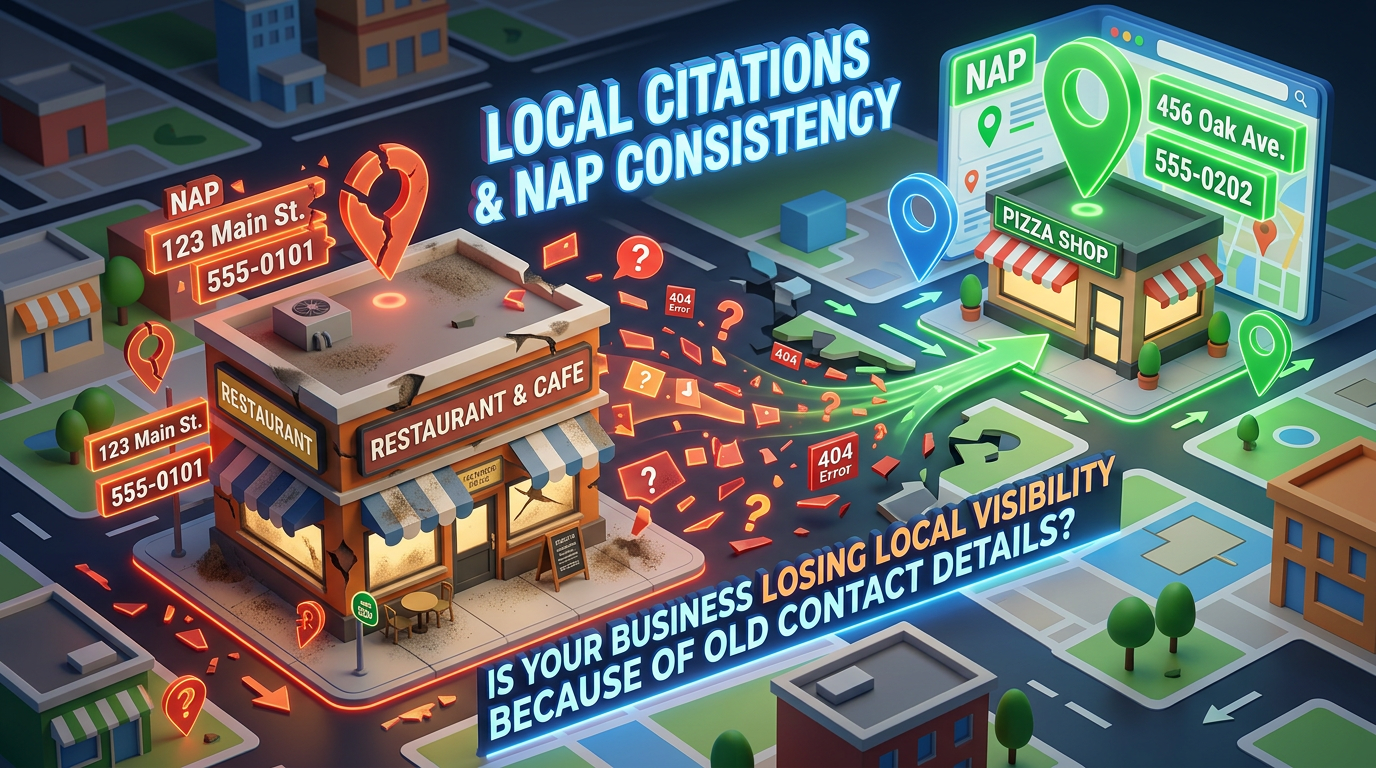
- Local Citations & NAP Consistency: Is Your Business Losing Local Visibility Because of Old Contact Details?
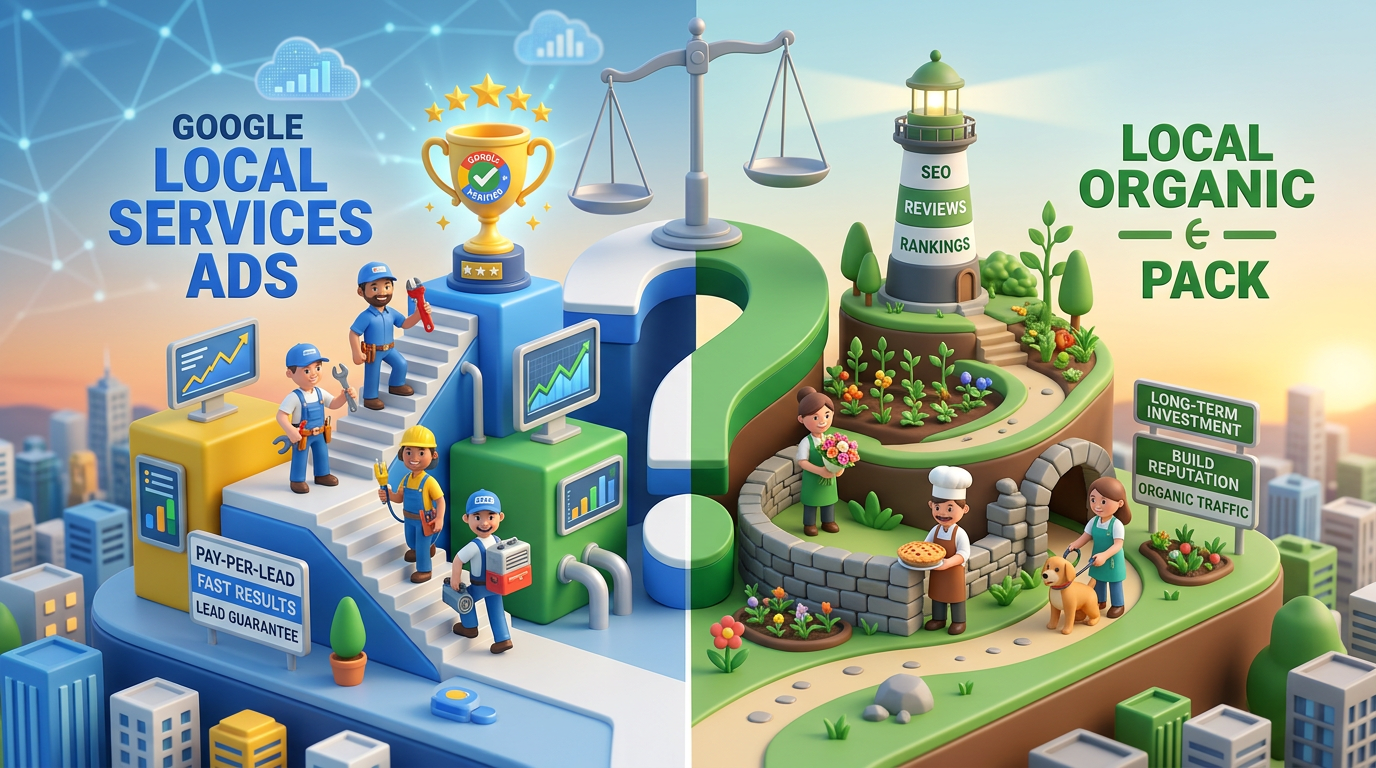
- Google Local Services Ads vs Local Organic Pack: Where Should You Invest?
- The Crawl Budget Trap: Is Google Ignoring Your Best Pages?
- Broken Redirects and Orphan Pages: Why Your Website Traffic Drops After Migration
6. The Legal Reality Check (Don’t Skip This!)
I know, I know—law talk is boring. But losing your entire channel because you accidentally “sampled” Drake via a rogue AI prompt is worse.
- SynthID is your friend: Google’s watermark proves you used an ethical model trained on licensed data. This is your “Get Out of Jail Free” card when a label comes knocking.
- The Copyright Gap: Remember, you own the file, but you might not own the composition if it’s 100% AI. To truly own your “intellectual property,” always tweak the output. Change a few notes, add a lyric, or remix the arrangement.
FAQ: Frequently Asked Questions
Q: Can I really make money with just free Google tools? A: You can start for free, but “Passive Income” usually requires the Gemini Advanced tier to get the high-fidelity Lyria 3 Pro outputs and the commercial usage licenses. Think of it as a $20/month investment in your new record label.
Q: Does Spotify ban AI music? A: Not explicitly. They ban “Streaming Manipulation” (using bots to listen to your own songs) and “Content Overload.” If you upload 1,000 songs in one day, you’re toast. If you upload one high-quality album a month, you’re an artist.
Q: Do I need to know how to read music? A: Absolutely not. You just need to know how to describe music. Instead of “C-Major,” you say “Happy, sun-drenched acoustic guitar with a beachy vibe.” Gemini handles the music theory; you handle the vibes.
Q: What is SynthID? A: It’s a digital watermark embedded in the audio by Google DeepMind. It doesn’t change how the music sounds to humans, but it tells computers (and copyright bots) that the track was generated by Google’s AI.
Leave a Reply